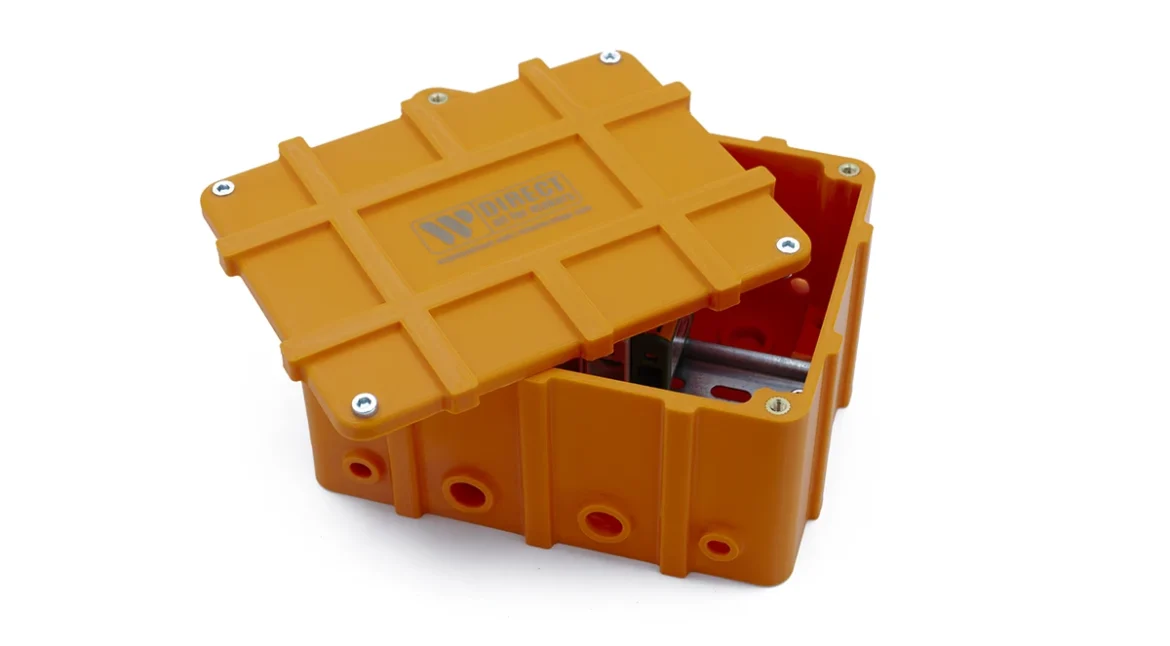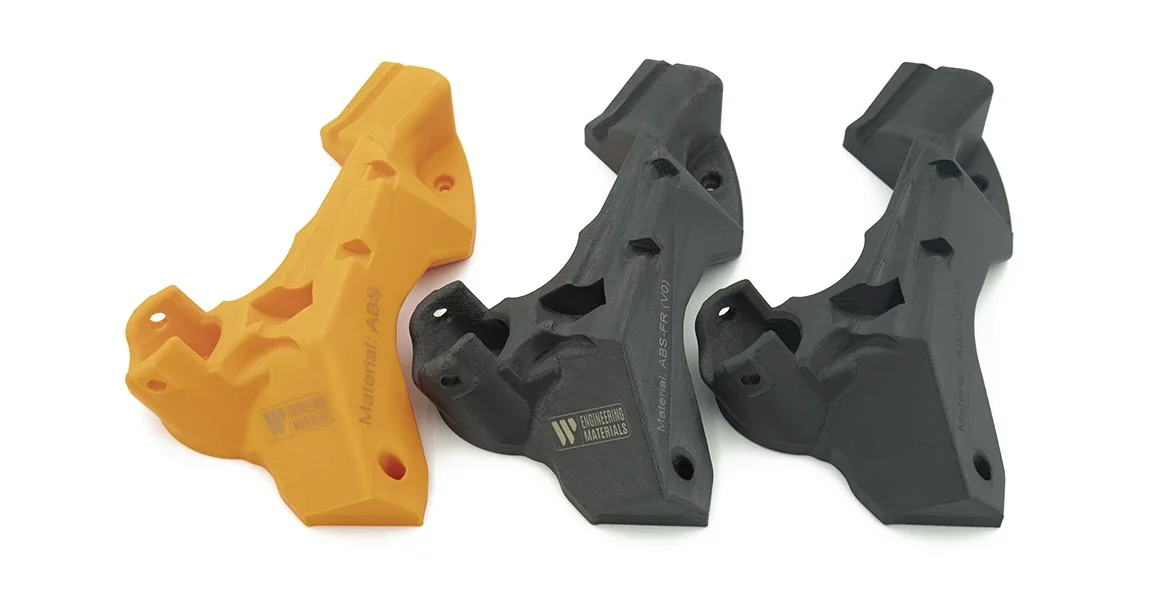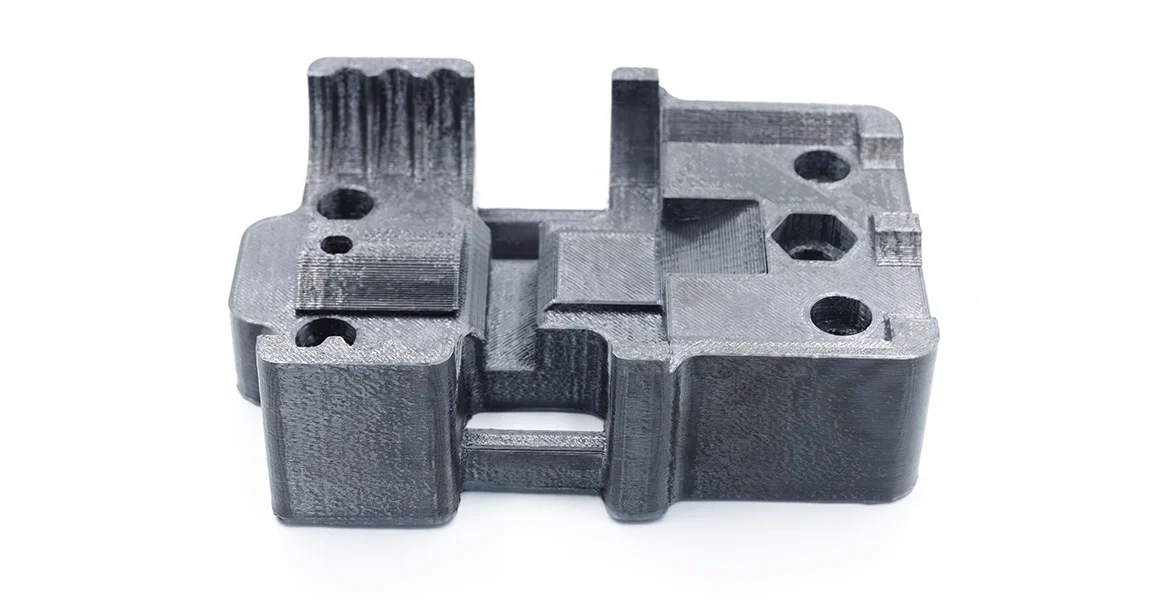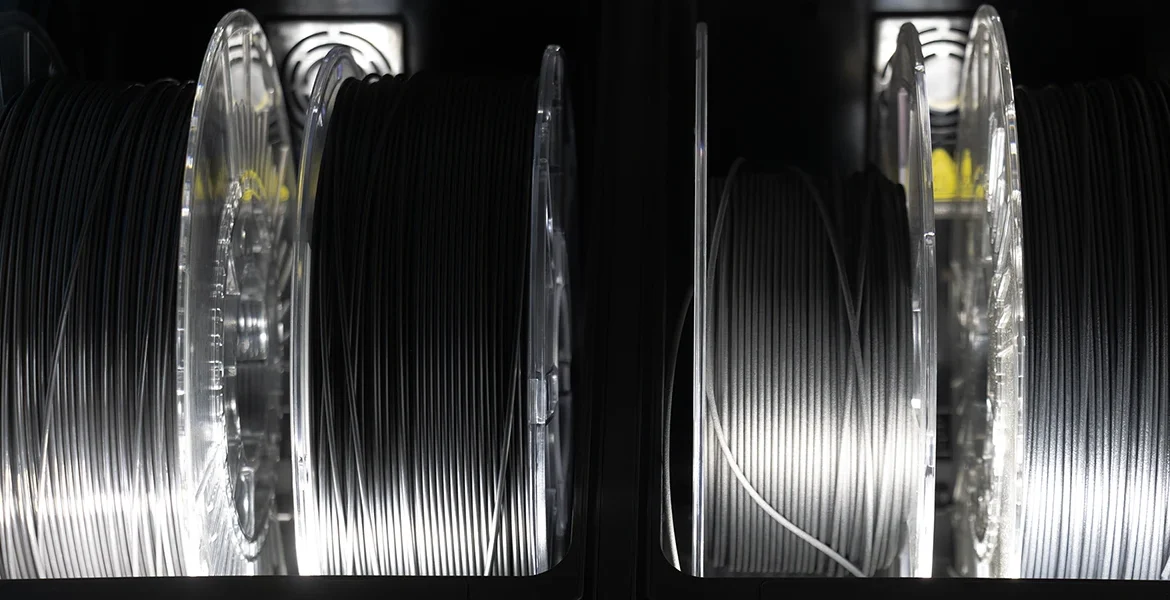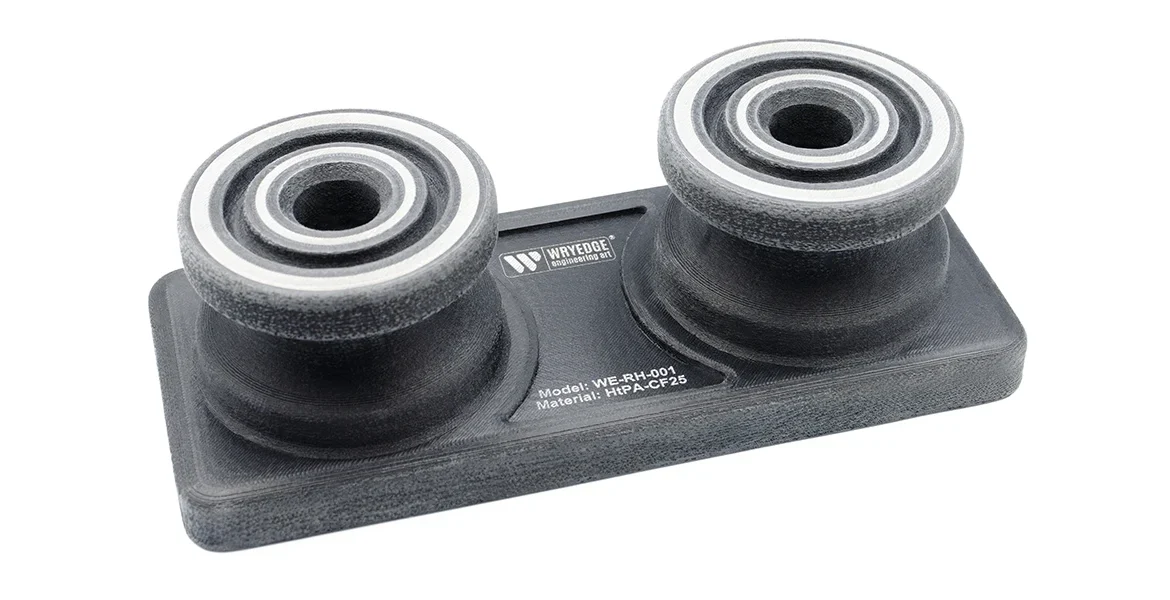
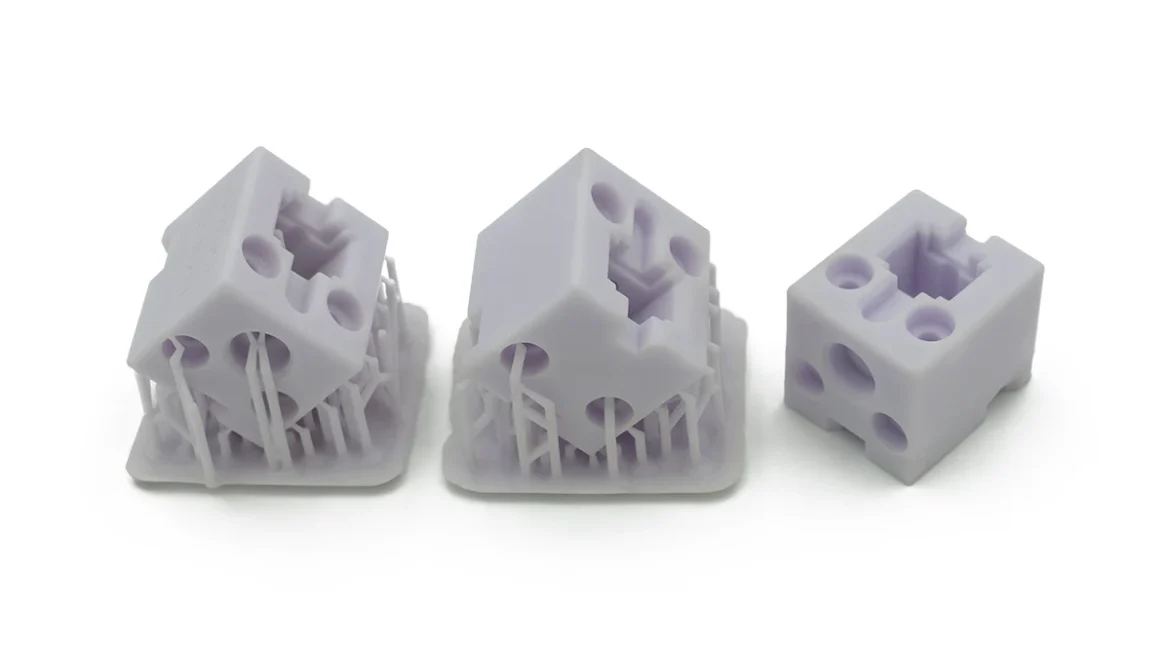
ABS vs ABS-FR vs ABS-CF: key differences and when to choose Comparison of standard ABS, flame-retardant ABS (UL94 V-0), and carbon fiber reinforced ABS for engineering and functional 3D printing applications. ABS vs ABS-FR vs ABS-CF are three commonly used engineering materials in 3D printing, each designed for different performance…
PPS vs PPS-CF: differences and when to choose High-performance engineering filaments comparison: PPS vs PPS-CF for demanding industrial applications. PPS vs PPS-CF is one of the less common but highly relevant comparisons in high-performance 3D printing materials. While materials like PLA or PETG dominate entry-level printing, polyphenylene sulfide (PPS) belongs…
PA6-CF vs PA6-GF: main differences PA6-CF vs PA6-GF is one of the most common comparisons when choosing a stiffer PA6-based 3D printing engineering material intended for functional parts. PA6-based composite 3D printing materials are increasingly used not only for prototyping, but also for real functional parts that must maintain shape,…
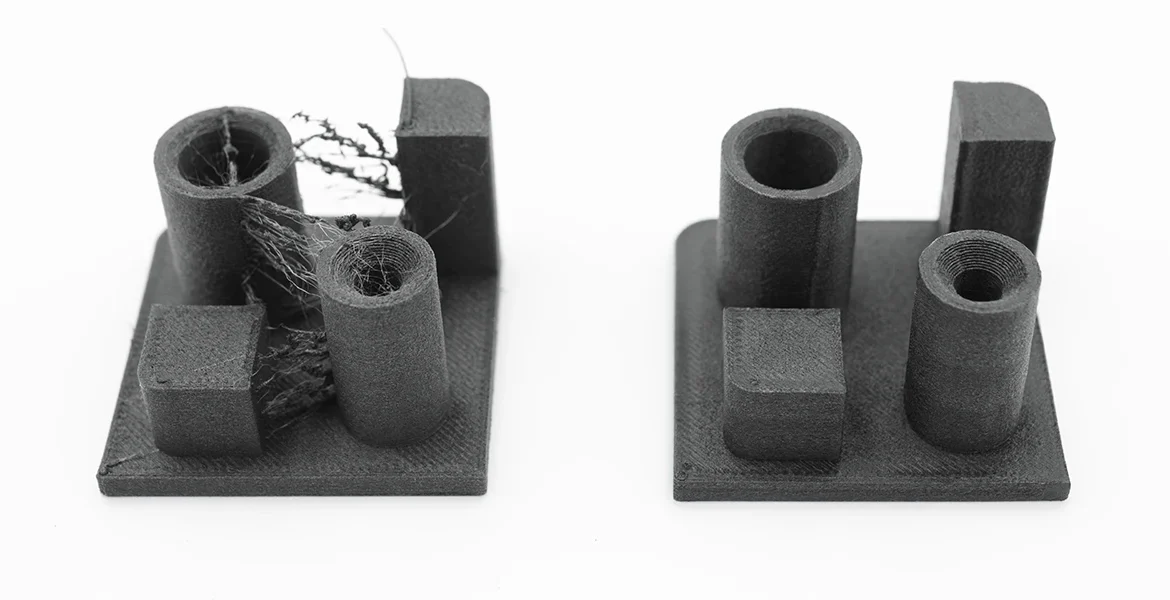
Drying 3D printing materials: why it is essential for quality results Drying 3D printing materials is one of the most important steps when aiming for a stable process, a clean surface finish, and predictable mechanical properties. Even well-tuned print parameters cannot always compensate for the effects of moisture, which is…