ABS vs ABS-FR vs ABS-CF: key differences and when to choose

Comparison of standard ABS, flame-retardant ABS (UL94 V-0), and carbon fiber reinforced ABS for engineering and functional 3D printing applications.

ABS vs ABS-FR vs ABS-CF are three commonly used engineering materials in 3D printing, each designed for different performance requirements. While all three are based on ABS, they serve different engineering purposes. Standard ABS is a versatile general-purpose material, ABS FR (V0) is designed for applications requiring flame resistance, and ABS-CF is intended for parts that benefit from increased stiffness and structural performance.

This article explains the main differences between ABS, ABS-FR (V0), and ABS-CF and helps you choose the right material for your application.

Quick technical summary

If you’re unsure which material to choose, the comparison below and real examples will help you make a practical decision.

  • • ABS – best for general-purpose parts and easy printing.
  • • ABS-FR (V0) – designed for fire safety and electrical applications.
  • • ABS-CF – optimized for stiffness, dimensional stability, and structural performance.

ABS vs ABS-FR vs ABS-CF: key differences at a glance

Material Main focus
ABS General-purpose strength, balanced printability, and good overall durability.
ABS FR (V0) Flame resistance and safer performance in electrical or industrial applications.
ABS-CF Higher stiffness, reduced deformation, and improved structural performance.

What is ABS and how is it used in 3D printing?

ABS (acrylonitrile butadiene styrene) is a widely used thermoplastic in FDM 3D printing materials and industrial manufacturing due to its good balance of strength, impact resistance, and processability. It is considered a general-purpose engineering material suitable for a wide range of functional applications. It is particularly valued for:

  • • Good impact resistance and toughness.
  • • Balanced strength and flexibility.
  • • Moderate heat resistance compared to standard filaments.
  • • Easy post-processing (sanding, machining, acetone smoothing).

Due to these properties, ABS is commonly used in automotive parts, enclosures, functional prototypes, and mechanical components.

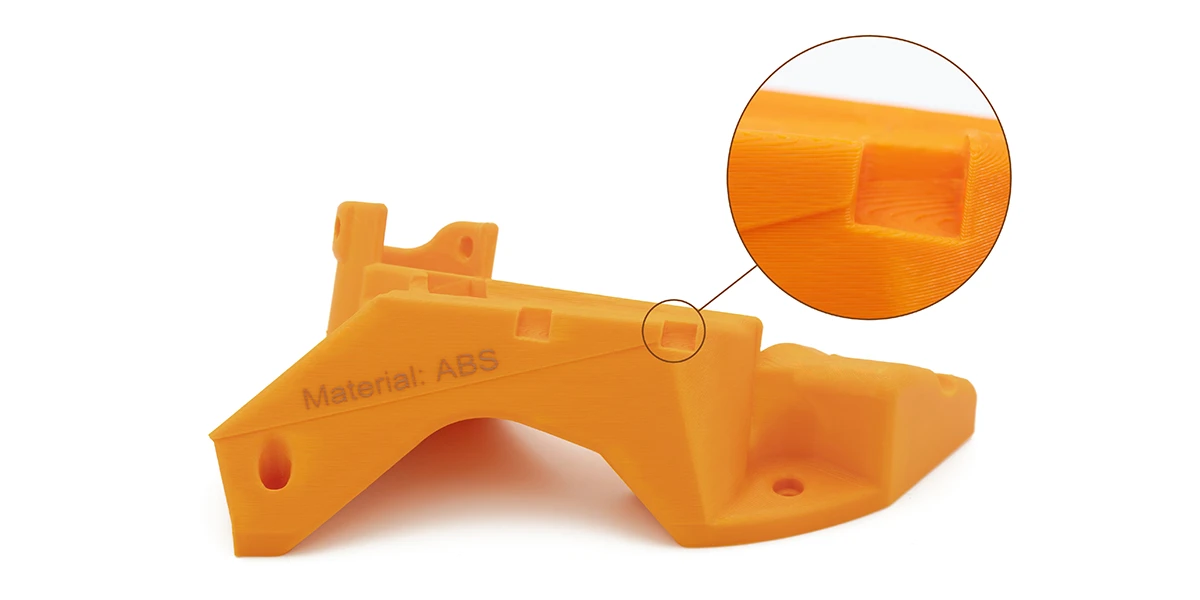
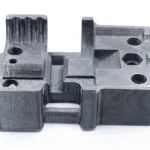
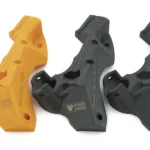
abs-3d-printed-part

ABS functional part produced using FDM 3D printing. The image highlights smooth extrusion, consistent layer adhesion, and ease of printing typical for standard ABS materials. (WRYEDGE engineering photo)

What is ABS-FR (V0) and how is it used in 3D printing?

ABS FR (V0) filament is a flame-retardant version of ABS designed for applications where fire safety is critical. It meets UL94 V-0 standards, meaning the material self-extinguishes quickly after exposure to flame. Compared to standard ABS, ABS FR (V0) provides:

  • • Flame resistance (UL94 V-0 rating).
  • • Reduced flammability and safer performance in electrical environments.
  • • Improved suitability for industrial and electronic applications.

However, flame-retardant additives may slightly reduce mechanical strength and impact resistance compared to standard ABS.

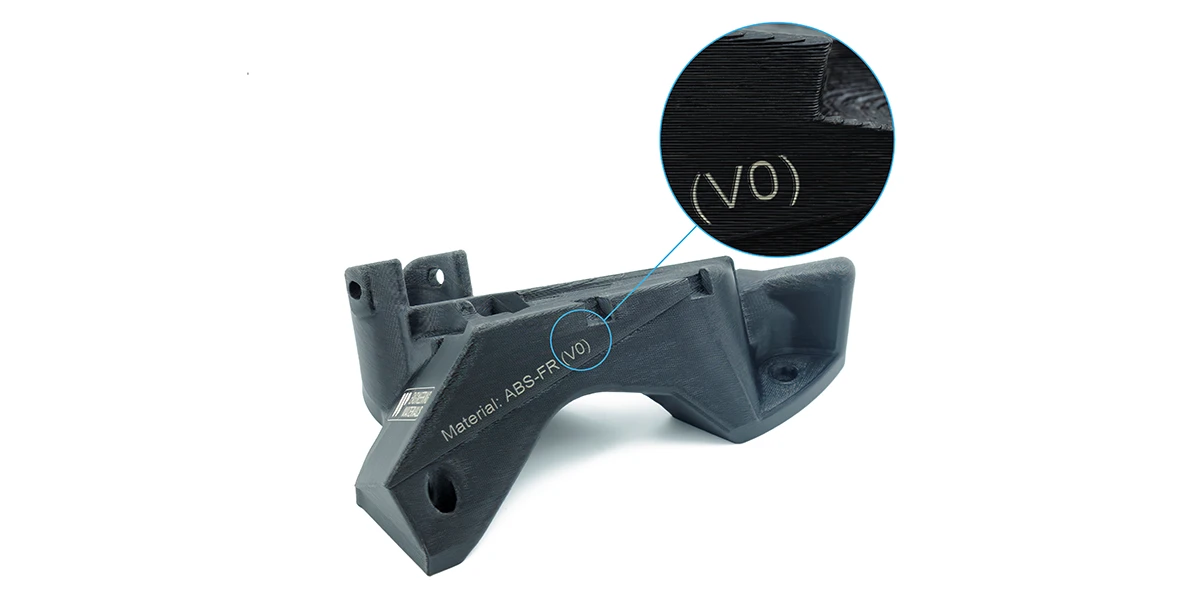
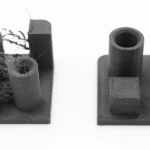
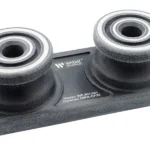
abs-fr-v0-3d-print

ABS-FR (V0) flame-retardant part produced using FDM 3D printing. The image shows material marking and surface quality, highlighting its suitability for electrical and safety-critical applications. (WRYEDGE engineering photo)

What is ABS-CF and how is it used in 3D printing?

ABS-CF filament is a carbon fiber–reinforced version of ABS. The addition of carbon fibers increases stiffness and reduces deformation, making the material more suitable for structural and load-bearing applications. In 3D printing, carbon fiber content typically ranges from 10% to 20%. Compared to standard ABS, ABS-CF offers:

  • • Higher stiffness and rigidity.
  • • Improved dimensional stability.
  • • Reduced warping.
  • • Better performance in structural parts.

However, these benefits come with trade-offs, including lower impact resistance and increased brittleness compared to standard ABS.

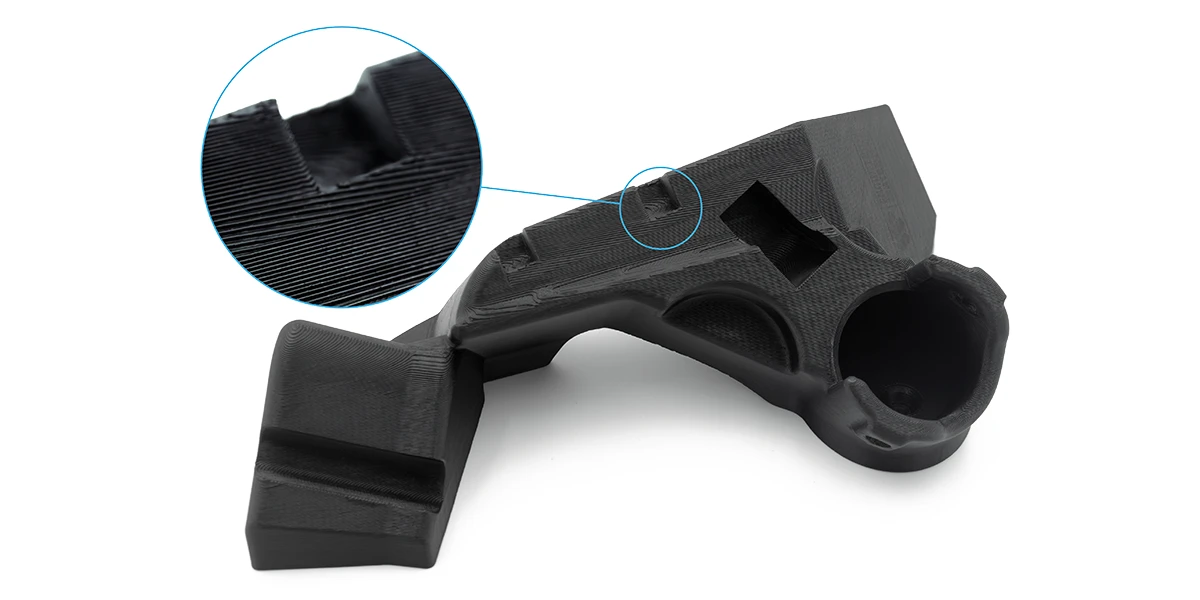
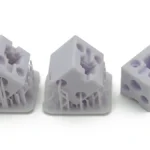
abs-cf-carbon-fiber-part

ABS-CF (carbon fiber reinforced) functional part produced using FDM 3D printing. The image highlights increased stiffness, matte surface finish, and layer structure typical for fiber-reinforced materials. (WRYEDGE engineering photo)

Main differences between ABS, ABS FR (V0), and ABS-CF

From a technical perspective, the main differences between ABS, ABS FR (V0), and ABS-CF are related to mechanical behavior, fire resistance, and structural performance.

  • • ABS focuses on balanced mechanical properties and ease of printing.
  • • ABS FR (V0) focuses on flame resistance and safety.
  • • ABS-CF focuses on stiffness, rigidity, and structural performance.

In other words:

  • • ABS is a general-purpose and versatile material.
  • • ABS FR (V0) is optimized for fire safety applications.
  • • ABS-CF is designed for structural and load-bearing parts.

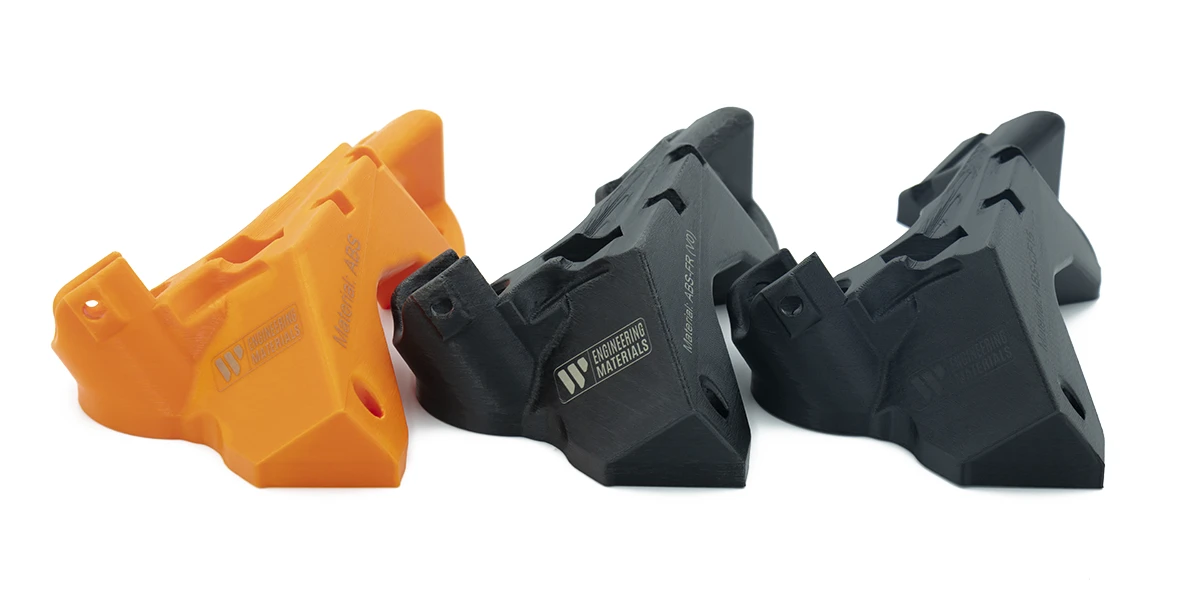
These differences are best understood not only in theory, but also in real printed parts, as shown below.

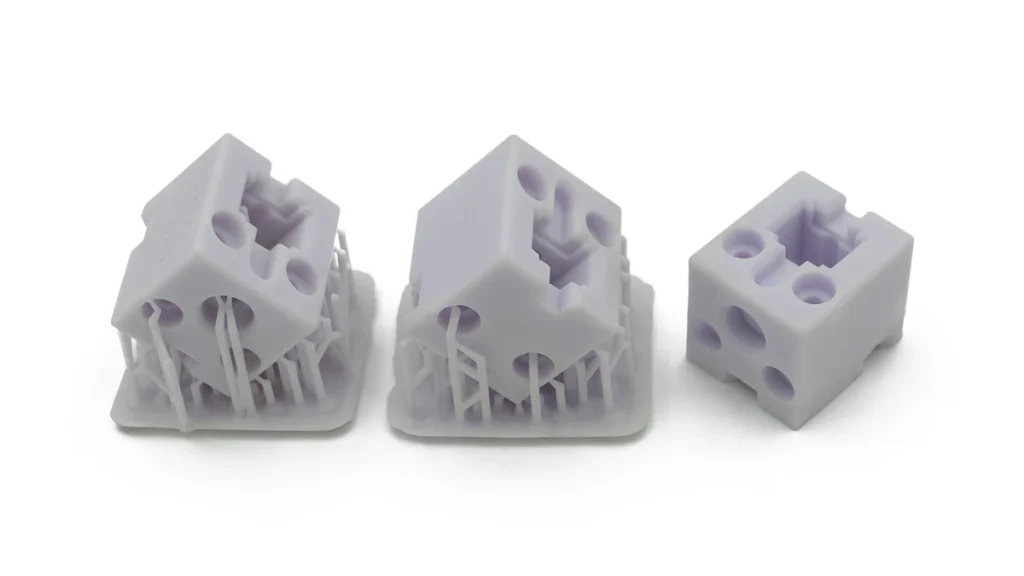
abs-comparison-3-materials

Direct comparison of ABS, ABS-FR (V0), and ABS-CF parts produced under the same conditions. The image highlights visual differences in surface finish, stiffness perception, and overall print behavior between materials. (WRYEDGE engineering photo)

ABS material modifications

Depending on additives and modifications, ABS filaments can offer different mechanical, thermal, electrical, or safety-related properties. The most common variants used in 3D printing include:

  • • ABS – standard, various colors material for general-purpose applications.
  • • ABS-FR (V0) – flame-retardant version for electrical and industrial safety (UL94 V-0 rated).
  • ABS-CF – carbon fiber–reinforced ABS for higher stiffness, reduced deformation, and improved structural performance.
  • • ABS+/ modified ABS – improved printability, reduced warping, and better layer adhesion.
  • • ABS SP40 – impact-modified ABS designed for higher toughness and resistance to mechanical stress.
  • • ABS ESD – electrostatic discharge-safe ABS for sensitive electronic components and industrial environments.
  • • ABS Conductive – electrically conductive ABS used for grounding, shielding, or anti-static applications.
  • • ABS Glass-filled (ABS-GF) – reinforced with glass fibers for improved dimensional stability and rigidity.
  • • ABS High-Temperature – modified ABS with improved heat resistance for elevated temperature applications.
  • • ABS blends – materials optimized for specific industrial use cases, combining ABS with other polymers.

This range of modifications allows ABS-based materials to cover a wide spectrum of engineering requirements, from general-purpose prototyping to specialized industrial applications.

3D printing considerations

Printing with ABS, ABS-FR (V0), and ABS-CF requires controlled conditions to achieve stable and reliable results. Compared to materials like PLA or PETG, ABS-based materials are more sensitive to temperature fluctuations and cooling, which can lead to warping, cracking, and poor layer adhesion.

Proper thermal management, enclosure usage, and correct surface preparation are essential for successful printing. The table below summarizes typical printing parameters for ABS-based materials used in FDM 3D printing.

Parameter Recommended values / notes
Nozzle temperature 230–270 °C (ABS), up to ~280 °C for ABS-CF
Bed temperature 90–110 °C
Chamber Enclosed chamber strongly recommended to prevent warping
Nozzle type Standard nozzle for ABS / ABS-FR, hardened steel recommended for ABS-CF
Printing speed 40–80 mm/s depending on part geometry and printer stability
Cooling Minimal or disabled to improve layer adhesion
Drying ~60–70 °C for 2–4 h (optional but recommended for best quality)
Build surface PEI, textured sheet, or ABS slurry for strong adhesion

Real printing insights

In practice, ABS-CF provides noticeably better rigidity and surface stability, but requires hardened nozzles due to its abrasive nature. ABS-FR (V0) behaves similarly to standard ABS in printing, but may show slightly reduced layer bonding strength depending on formulation. Standard ABS remains the most forgiving option, especially for larger parts where warping control is critical.

For most users, standard ABS is the easiest starting point, ABS-FR (V0) is better suited for fire-sensitive environments, and ABS-CF is the stronger choice for structural parts where stiffness and dimensional stability are more important.

Moisture and processing behavior

ABS is considered a low to moderately hygroscopic material, meaning it absorbs significantly less moisture than materials like nylon, but can still be affected by humidity over time.

Typical moisture absorption for ABS is around 0.2–0.4% by weight (depending on formulation and environmental conditions), which is relatively low compared to hygroscopic materials such as PA (nylon), which can exceed 2–3%. Moisture can cause:

  • • Surface defects.
  • • Weak layer adhesion.
  • • Inconsistent extrusion and stringing.
  • • Slight reduction in mechanical performance (especially in ABS-CF).

For reliable results, storing ABS in dry conditions is recommended. Drying at ~60–70 °C for 2–4 hours can improve print consistency, especially for ABS-CF and precision parts.

ABS vs ABS-FR (V0) vs ABS-CF: what to choose?

The table below provides a practical comparison of ABS, ABS-FR (V0), and ABS-CF based on real-world engineering requirements. Each material offers different advantages depending on whether strength, fire resistance, or structural rigidity is the priority. This comparison focuses on practical use cases to help you quickly choose the most suitable material for your application.

Property ABS ABS-FR (V0) ABS-CF
Stiffness Moderate, balanced Moderate High (carbon fiber reinforced)
Mechanical strength Good overall strength Slightly reduced due to additives High strength-to-weight ratio
Impact resistance Good Moderate Lower, more brittle
Thermal resistance Good (~90–100 °C) Improved flame resistance Similar to ABS
Fire resistance None UL94 V0 rated None
Dimensional stability Moderate (warping risk) Similar to ABS Improved stability
Printability Medium difficulty Similar to ABS More difficult (abrasive)
Wear on hardware Low Low High – hardened nozzle required
Typical use General engineering parts Electrical, safety components Structural, rigid parts

Real-world applications

Due to their balanced mechanical and thermal properties, ABS-based materials are widely used in engineering and industrial applications. Based on real-world testing and production experience at WRYEDGE, ABS-CF shows significantly improved rigidity but requires careful process control. Typical uses include:

  • • Functional prototypes and enclosures.
  • • Automotive interior components.
  • • Electrical housings (ABS-FR for fire safety).
  • • Structural parts requiring stiffness and reduced weight (ABS-CF).

Common mistakes when choosing ABS materials

Based on real-world 3D printing experience, these are the most common mistakes when working with ABS-based materials:

  • • Choosing ABS-CF without a hardened nozzle. Carbon fiber reinforced ABS is abrasive and quickly wears out standard brass nozzles, leading to inconsistent extrusion and poor surface quality.
  • • Using ABS-FR (V0) when mechanical strength is critical. Flame-retardant additives can reduce impact resistance and layer bonding strength, making it less suitable for structural or load-bearing parts.
  • • Ignoring warping risks in large ABS parts. Standard ABS is sensitive to temperature fluctuations. Without an enclosed chamber and proper thermal control, large prints may warp or crack.
  • • Assuming ABS-CF is always the “best” option. While ABS-CF offers higher stiffness, it is more brittle and harder to print. In many cases, standard ABS provides more reliable and forgiving results.
  • • Not drying the material before printing. ABS absorbs less moisture than nylon, but humidity can still cause stringing, weak layer adhesion, and surface defects—especially in ABS-CF.
  • • Using poor bed adhesion setup. Incorrect build surface or lack of adhesion (PEI, textured sheet, or ABS slurry) can lead to print failure or deformation.
  • • Excessive cooling during printing. Too much cooling reduces layer bonding and increases the risk of cracking, particularly in ABS and reinforced variants.

When to choose each material?

  • • Choose ABS if you need a balanced, easy-to-print material for general-purpose parts and prototypes.
  • • Choose ABS-FR (V0) when fire safety and compliance with UL94 standards are required, especially in electrical or enclosed environments.
  • • Choose ABS-CF when stiffness, dimensional stability, and structural strength are the priority, particularly for load-bearing or lightweight parts.

Conclusion

ABS, ABS-FR (V0), and ABS-CF are not interchangeable materials, as each is optimized for different engineering requirements. ABS is a versatile general-purpose material suitable for a wide range of applications. ABS-FR is the preferred choice for fire-sensitive environments where safety standards such as UL94 V0 are required. ABS-CF, on the other hand, is ideal for structural and load-bearing components where stiffness and dimensional stability are critical.

Choosing the right material depends on whether the application prioritizes strength, safety, or printability. Understanding these differences is essential for achieving reliable results in professional 3D printing workflows.

advanced divider

Other posts

Information

9:0018:00 on workdays.
Weekends – available upon request.

Do you have questions, or need a consultation about 3D printing technologies and production? Order form!

We are always happy to welcome visitors — just arrange your visit in advance. During your visit, you can explore our equipment, materials, and real production processes.

© 2026 WRYEDGE | All right reserved